
How Weather Drives Your Restaurant's Energy Costs
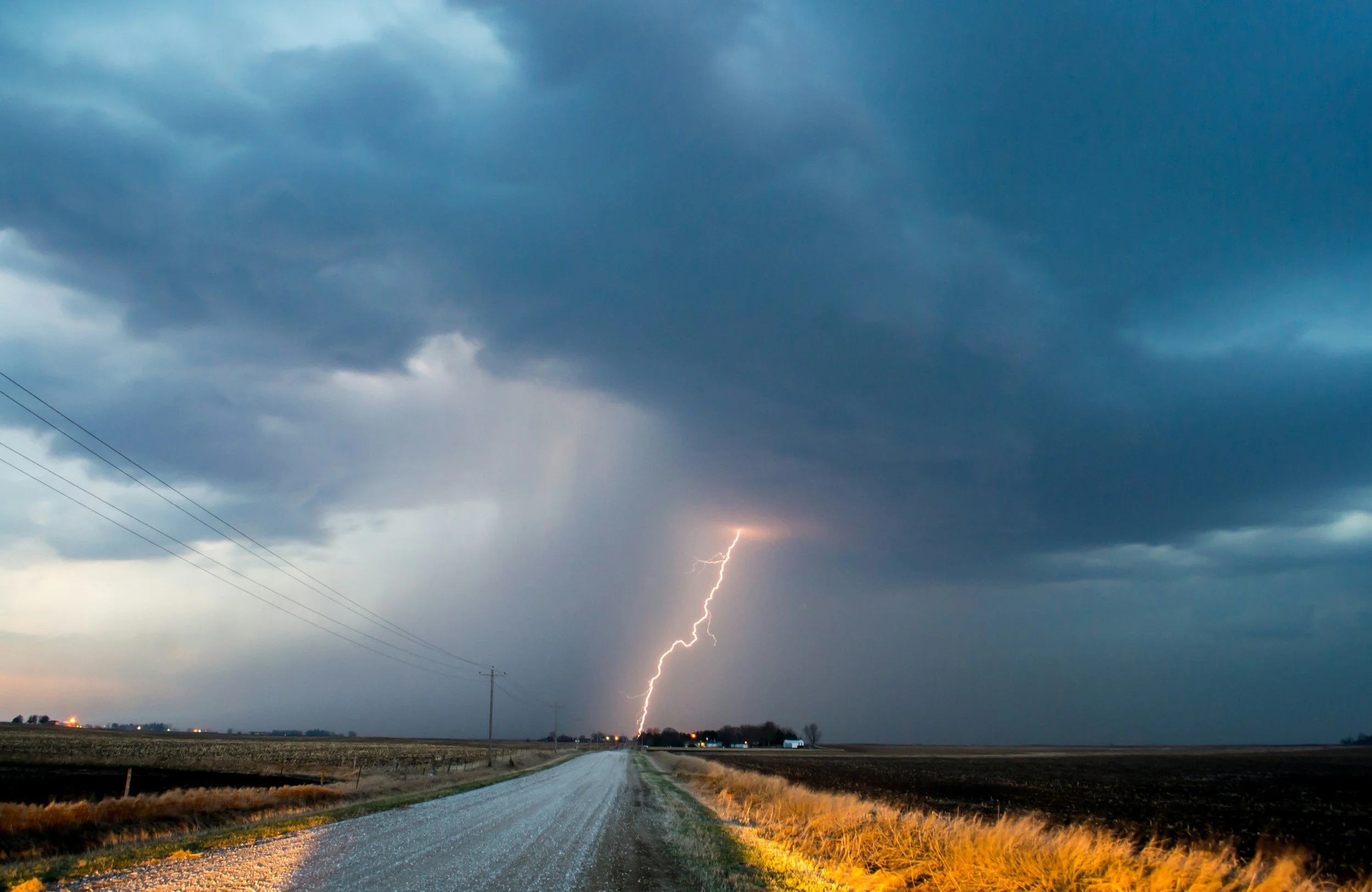
Weather is one of the biggest variables in your monthly utility bill — and most restaurant operators don't track it alongside their energy data.
When temperatures spike in August, your HVAC systems work harder, your demand charges climb, and your utility bill follows. When an unexpected cold snap hits in March, natural gas consumption across your portfolio can surge overnight. For a multi-site brand managing 50, 200, or 500 locations across different climate zones, weather patterns can explain cost variances that otherwise look like operational problems.
We added this map so our clients and prospective partners can monitor real-time weather conditions across their portfolio regions. When you see a heat dome building over the Southeast or a polar vortex moving into the Midwest, that's your early warning to check your EMS setups, review your HVAC schedules, and prepare for what's coming on next month's utility bill.
Understanding your energy costs means understanding the weather driving them.